The U.S. media industry is seeing a big merger. Fox Corporation announced that it will acquire Roku using a mix of cash and stock. The deal is valued at around $22 billion and is expected to close in the first half of 2027, pending shareholder and regulatory approval.
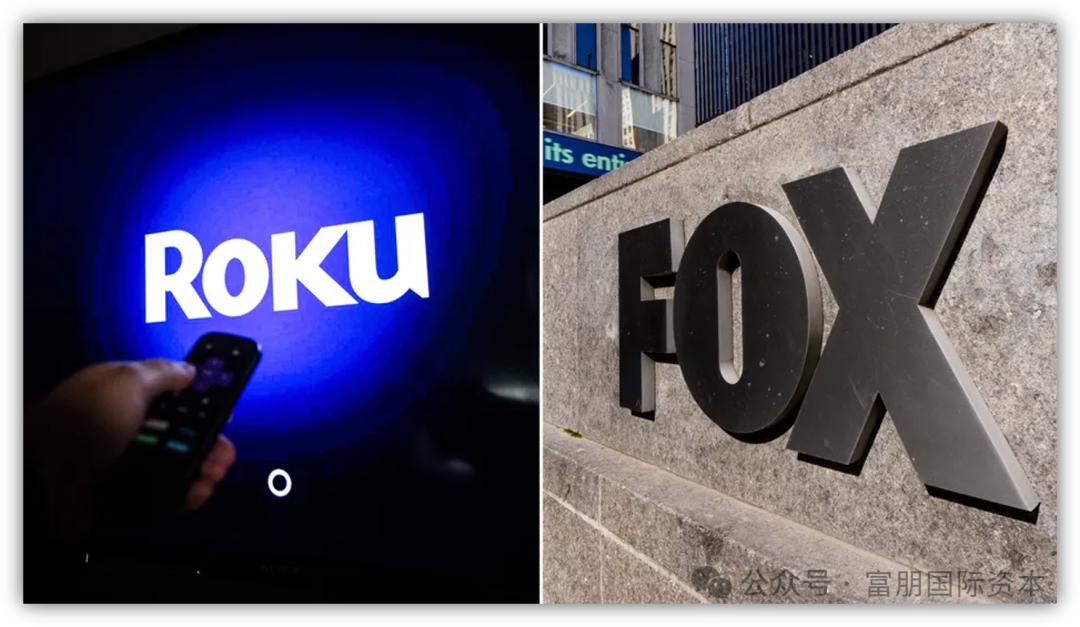
Fox Corporation acquires Roku; Source: Fox News
On a per-share basis, Roku shareholders will receive $96 in cash plus 0.9693 shares of Fox Class A common stock. Based on the reference stock price used in Fox’s announcement, the total consideration works out to about $160 per share. After the deal is completed, existing Fox shareholders are expected to hold around 73% of the combined company, while Roku shareholders will own about 27%.
Looking at it in the context of the U.S. TV industry, this deal reflects a deeper shift: the core of streaming competition is moving from content supply to user access, advertising systems, and TV operating systems.
Over the past decade, companies like Netflix, Disney, Warner, and Paramount mainly competed around content. Whoever had more shows, movies, IP, and sports rights could attract more subscribers. But today, content is already abundant, and when users turn on the TV and face dozens of apps, the new question becomes: who decides what users see first? Who controls search, recommendations, homepage ad slots, and viewing data? This is where Roku’s value comes in.
01 Who is Roku?
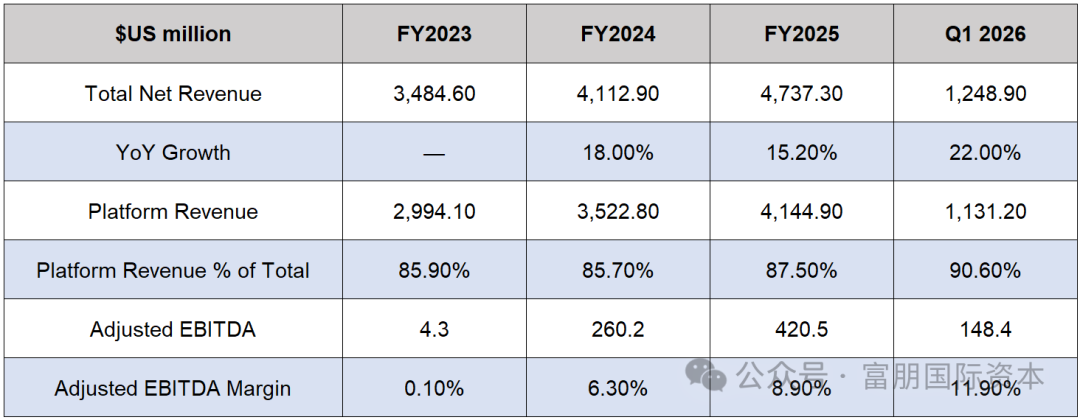
Roku’s financial data; Source: SEC
Roku’s revenue structure also shows this. It’s more like a platform company now, rather than a hardware company. In 2025, revenue from Roku’s platform business reached about $4.145 billion, up 18% year over year. The platform business mainly comes from ads, content distribution, subscription sharing, and streaming services, not just selling devices. Roku makes money from being the ‘gateway to TV’.
02 FOX is not just a TV channel; it’s also at the heart of the American conservative media scene.
Behind Fox is the Murdoch family. Rupert Murdoch is one of the most influential figures in the global media industry, having built a conservative media empire across TV, newspapers, publishing, and digital media over the decades. Right now, the one actually steering Fox is his son, Lachlan Murdoch.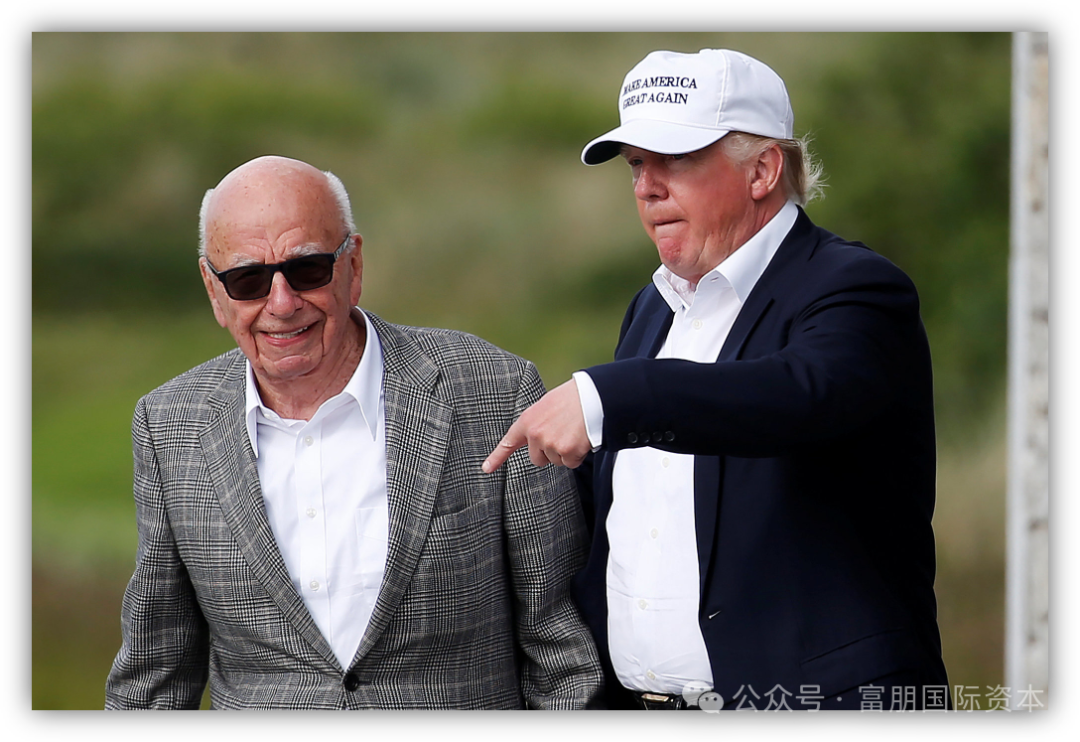
Rupert Murdoch and U.S. President Trump; Source: NYT
Fox’s core assets include Fox News, Fox Sports, Fox Television, Fox Entertainment, and the ad-supported streaming platform Tubi.
In the U.S. media landscape, Fox News holds a very special position. It has long been regarded as one of the most important media platforms for the American conservative camp and is tightly linked to the Republican Party, Trump’s base, and conservative voters. In more straightforward Chinese terms, many people would call Fox News the “mouthpiece of the Republican Party”; in more formal business language, it’s a core platform in the U.S. conservative political communication system.
This influence isn’t just reflected in viewership; it also shows in the flow of political talent. Many key figures in Trump’s team came from the Fox ecosystem. Current U.S. Secretary of Defense Pete Hegseth, before joining the government, was a well-known Fox News host and frequently appeared on shows like “Fox & Friends Weekend.” Sean Duffy, before serving as the U.S. Transportation Secretary, also hosted programs on Fox Business. According to the American media NPR, when Trump began his second term, at least 19 people who had worked as hosts, reporters, commentators, or producers at Fox had entered the government system.
So, to understand Fox, you can’t just see it as a media company doing news and sports broadcasts. Of course, it has TV channels, advertising revenue, sports rights, and streaming platforms, but it’s also a key node in America’s conservative political communication network. It shapes how a portion of U.S. audiences understand political, social, and economic issues, and constantly feeds media personalities and policy communication talent into the Republican political system.
This is also one of the reasons why this acquisition is so attention-grabbing. Fox buying Roku means that a media group deeply embedded in the U.S. conservative political ecosystem is getting ready to control an even larger share of the living room TV gateway.
03 Why does Fox want to buy Roku?
Fox’s core strengths used to be news and sports. Fox News has a steady conservative audience, and Fox Sports owns major sports content like the NFL, MLB, NASCAR, and the World Cup. This kind of content was really valuable in the traditional TV era because news and sports are events you want to watch in real-time—people don’t like to watch them later, and advertisers are willing to pay for such high-interest content.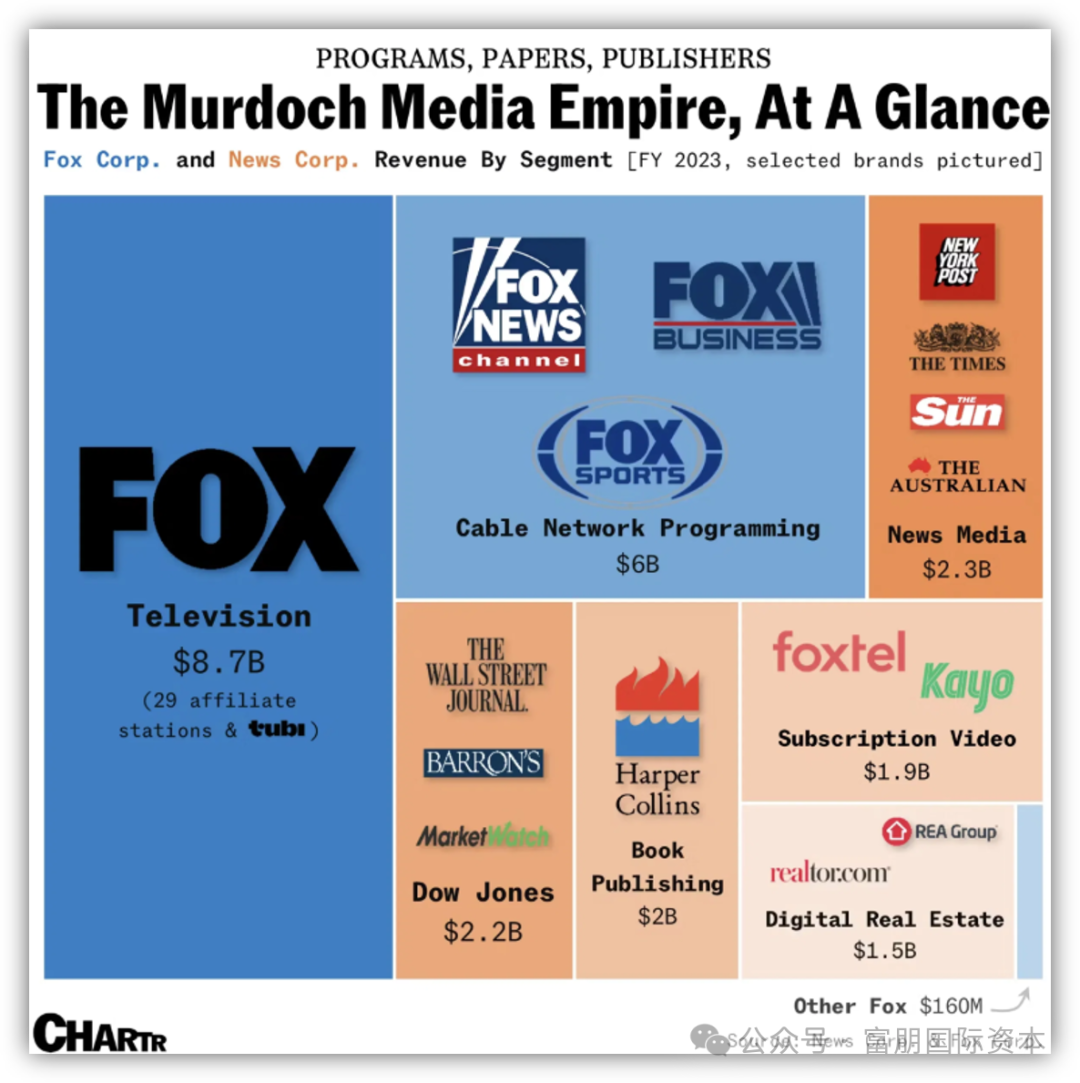
Overview of Fox Corporation brands; Source: News Corp. & Fox Corp.
But traditional cable TV users keep dropping off, and the media industry’s growth is increasingly coming from connected TVs, streaming, and ad tech. Fox hasn’t poured money into subscription streaming on the scale of Disney, Warner, or Paramount. It’s taking a different route: keeping high-value live content like news and sports, while betting on free ad-supported streaming.
In 2020, Fox bought Tubi. Tubi’s model is simple: users can watch movies and shows for free, with ads in between. It doesn’t make money from subscriptions, but from ad revenue. As subscription streaming prices keep going up, free platforms like Tubi are getting more attractive.
Free movie streaming platform Tubi; Source: Tubi
But Tubi is basically still just an app. Roku has a more prominent position than Tubi. It’s not just a content app, but the operating system and platform entry point that users might encounter first when they turn on the TV. After Fox bought Roku, it can combine its own news, sports, Tubi, Fox One, and other content with Roku’s home screen, search, recommendations, ad system, and user data.
04 Deal structure: How to pay $22 billion, and why Fox’s stock is falling
Roku price per share = $96 cash + 0.9693 × Fox stock price
If Fox’s stock price is $66.03, the stock portion is worth about $64, plus $96 in cash, making the total consideration around $160. But if Fox’s stock price drops, the value of the stock portion will also fall. For example, if Fox’s stock price drops to $55, 0.9693 shares of Fox would only be worth about $53, and adding $96 in cash, the total consideration becomes around $149. Since the exchange ratio is fixed, Fox won’t automatically give Roku shareholders more shares just because its own stock falls.
This is also why Roku’s stock didn’t jump straight to $160 after the deal announcement. What the market sees isn’t a fully locked-in $160 cash price, but rather a mixed consideration that comes with the risk of Fox’s stock price fluctuations, regulatory approval risks, and deal completion risks.
Third, the post-deal shareholding structure is also very important. Current Fox shareholders are expected to hold about 73% of the merged company, and Roku shareholders are expected to hold about 27%. This means Roku shareholders aren’t just getting bought out in cash—they will continue to hold shares in the merged company and participate in the future benefits and risks of Fox and Roku’s integration.
Fourth, the cash portion requires financing support. Fox will use cash on hand and new debt to pay the cash consideration and has already secured a $12 billion bridge financing commitment from Morgan Stanley. The company also stated that it will continue to maintain an investment-grade credit rating and keep its existing shareholder return plan after the deal.
From Fox shareholders’ perspective, this isn’t just a ‘spending money to buy assets’ deal—it’s a large M&A transaction involving cash outlay, debt financing, and stock dilution. Strategically, Fox gets Roku’s TV operating system, platform access, ad tech, and reach to over 100 million streaming households worldwide; financially, Fox has to deal with higher leverage, equity dilution, and integration execution pressure. So the market’s cautious reaction to this deal makes sense and isn’t contradictory.
05 What do analysts think about this deal?